
What is an EPD and why is it crucial for your products?
In a context where sustainability and environmental transparency have become essential criteria for consumers, businesses, and regulations, EPDs (Environmental Product Declarations) play an increasingly important role. But what exactly is an EPD, and why has it become a key element for your products? This article answers these questions and explores how this approach can benefit both your business and the planet.
What is an EPD?
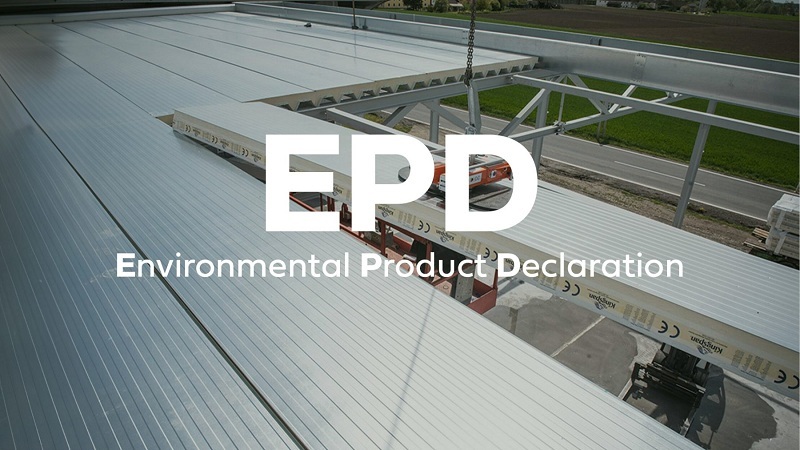
An EPD (or Environmental Product Declaration in French) is a standardized document that provides detailed information on the environmental impacts of a product throughout its life cycle. This life cycle extends from the extraction of raw materials to the end of the product’s life, including its production, transport, use, and recycling.
EPDs are generally based on life cycle assessments (LCAs) that evaluate different environmental criteria, such as:
- Greenhouse gas (GHG) emissions
- Energy consumption
- Use of natural resources
- Impact on biodiversity
- Waste management
The data is presented in a clear and verifiable manner, allowing companies to report the environmental impact of their products in a transparent manner.
How is an EPD developed?
The development of an EPD follows specific international standards, such as ISO 14025, and requires often the intervention of experts to carry out the life cycle assessment (LCA). The process generally includes:
- 1- Data collection: gathering detailed information on the manufacture, use and end of life of the product.
- 2- Life cycle analysis: assessing the environmental impact at each stage of the life cycle.
- 3- Drafting the EPD: documenting and structuring the results in a transparent and standards-compliant manner.
- 4- Verification: having the EPD verified by an independent third-party body to ensure the credibility of the information.
EPDs are then made publicly available, and they can be used to respond to specific requests from consumers, business partners or regulators.
Why is an EPD crucial for your products?
1. Transparency and credibility
In an increasingly environmentally aware market, consumers are looking for transparent information on the impact of their choices. An EPD provides this information in a verifiable and credible way. Rather than relying on vague claims such as "eco-friendly" or "sustainable", an EPD offers precise data based on recognized standards.
2. Meeting regulatory requirements
With the evolution of environmental legislation, many regions are imposing transparency obligations on the environmental impacts of products. For example, the European Union has put in place strict regulations for products marketed on its territory, particularly in terms of communicating environmental performance. The EPD helps to comply with these requirements and avoid sanctions or market restrictions.
3. Improved brand image
Companies that publish EPDs show that they take the sustainability and environmental impact of their products seriously. This can improve their brand image and strengthen the loyalty of consumers who prefer environmentally friendly products. A company committed to sustainability also benefits from a better competitive position, as more and more consumers prefer to support ethical and responsible brands.
4. Access to new markets
In some sectors, EPDs have become a key criterion for accessing new markets or obtaining certifications, such as in the construction sector. For example, architects and engineers often use EPDs to select sustainable building materials, and some markets, including public ones, require products with verified EPDs for their projects.
5. Reducing environmental impact
An EPD is also a useful tool for the company itself. By analyzing the environmental impact of each stage of production, it is possible to identify levers to reduce resource consumption, decrease GHG emissions or improve waste management. This process can lead to innovations in products and processes, contributing to the creation of more sustainable products.
6. Meeting investor expectations
Investors are increasingly attentive to the environmental performance of companies, and an EPD can serve as tangible proof of the company's commitment to sustainable development. Many asset management companies and investment funds use ESG (environmental, social and governance) criteria to evaluate the companies they invest in. Having an EPD can therefore improve the attractiveness of your company to environmentally conscious investors.
How to set up an EPD for your products?
Setting up an EPD may seem complex, but it is a long-term strategic investment. Here are the key steps to developing an EPD for your products:
Identify the products concerned: Choose the products that would benefit most from the creation of an EPD (for example, those that are the most popular or that are subject to strict environmental regulations).
Conduct a life cycle assessment (LCA): This analysis is at the heart of creating an EPD. It allows you to quantify the environmental impact of your product at each stage of its life cycle.
Write the EPD: Present the LCA results in a standardized and understandable format. You may need to hire consultants or experts for this task.
Have the EPD verified: To ensure its credibility, have your EPD verified by a certified third-party organization.
Publish and communicate: Make your EPD available to your customers, business partners and other stakeholders. You can also use it for environmental certifications or labels.
Conclusion
The EPD is much more than just a technical document: it is a strategic tool that helps meet the sustainability requirements of consumers, regulators and investors. By publishing an EPD, you demonstrate your company’s commitment to reducing environmental impact, while gaining competitive advantages in the marketplace. In a world where environmental responsibility is increasingly under scrutiny, the EPD is an essential step towards a greener and more transparent economy.